No calibration needed
Attach the needle, prime the collection tube, and sampling begins with the press of a button.

ANTERIOR CHAMBER PARACENTESIS, SIMPLIFIED
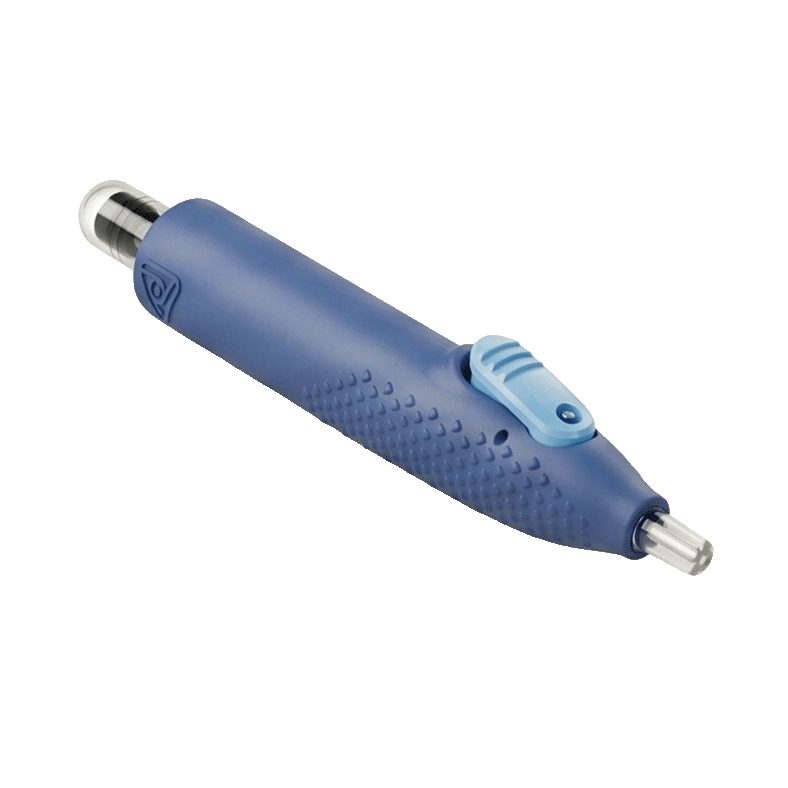
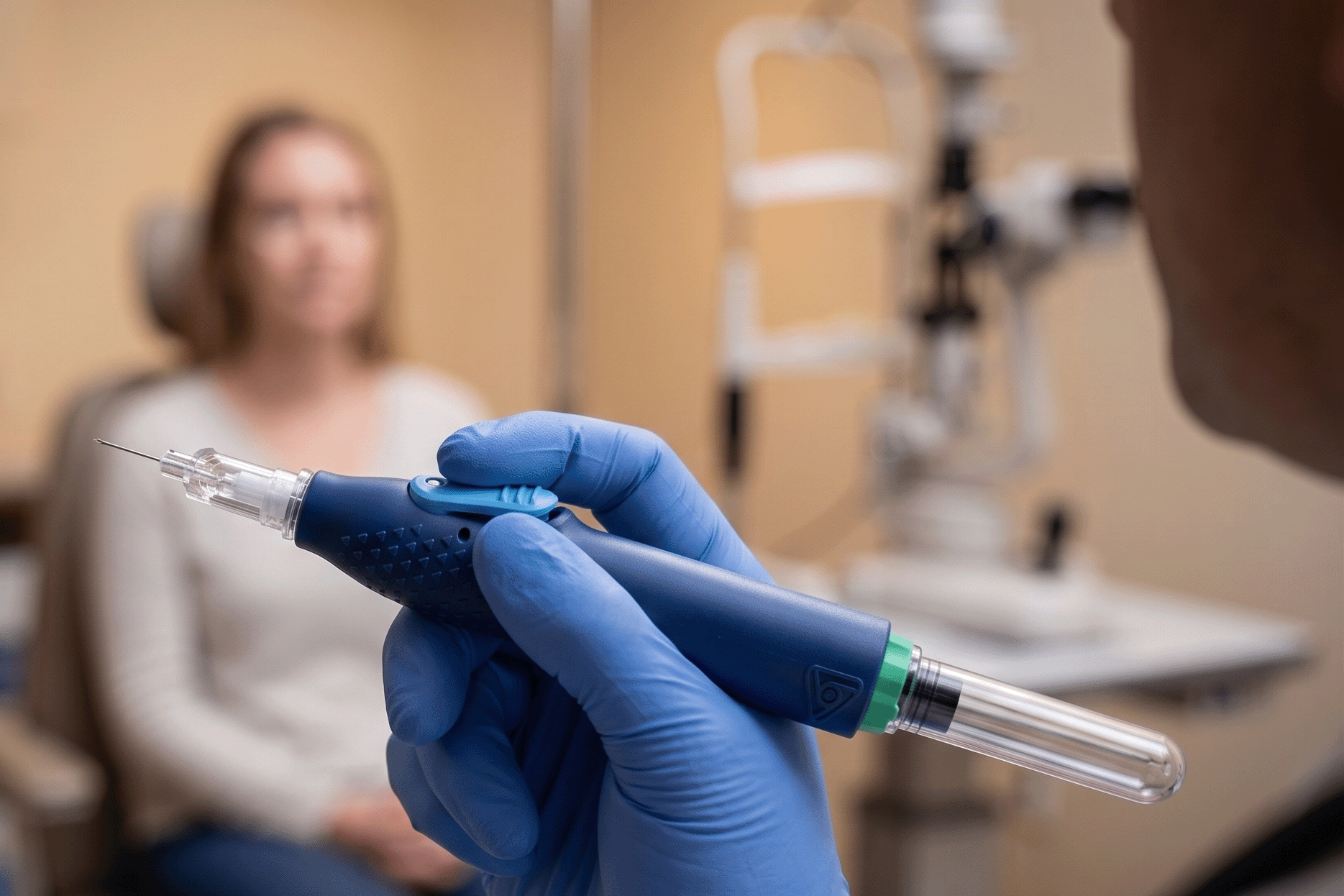
OcuTap™ is a single-use device for anterior chamber paracentesis. It’s designed to replace the two-handed syringe technique with one-handed, button-controlled operation and a vial built to ship straight to the lab.
PRELIMINARY INTERNAL DATA
In anterior chamber paracentesis, the usable sample is often just a few microliters, so every microliter retained, and every variable removed from the draw, changes what the lab can actually test. Early testing suggests OcuTap may help on both fronts. Findings below are from an internal assessment, not independently validated by a third party. Data on file.
Early testing suggests less fluid is lost per procedure, meaning more usable volume may reach the lab.
Early testing suggests a controlled, pre-set draw rate that may help remove operator speed as a variable.
In an early pilot study, participating clinicians reported a preference for OcuTap over the standard of care for control and safety. Preliminary data; not independently validated.
OcuTap is designed to remove the two-handed fumble and reduce the sample loss that can follow. One button. One hand. One vial built to ship straight to the lab.
| Feature |
 OcuTap |
 Current standard |
|---|---|---|
| Operating mode | One-handed | Two-handed |
| Preparation | Attach needle and prime collection tube | Variable |
| Fluid handling | Closed-system, direct-to-lab vial | Requires manual transfer |
| Sample integrity | Vial ships directly to lab | Requires manual transfer |
| Regulatory status | 510(k) pending | Established |
| Draw rate | Pre-set, consistent | Variable |
| Needle compatibility | Yes | Yes |
| Calibration | Not required | Required |
OcuTap was designed by a practicing retina specialist around the realities of the procedure room, not a lab bench, and refined with feedback from clinicians who tried it during early development. Here’s what they shared:

“The actuation is controlled and measured, unlike a syringe that can pull fluid too fast, a real safety concern.”

“Not a microliter is wasted, nothing stays behind in the chamber.”

“The device steadies your hand and lets you draw fluid without fumbling, that’s the real advantage.”
CAUTION—Investigational device. Limited by Federal law to investigational use. FDA 510(k) clearance anticipated by the end of 2026.
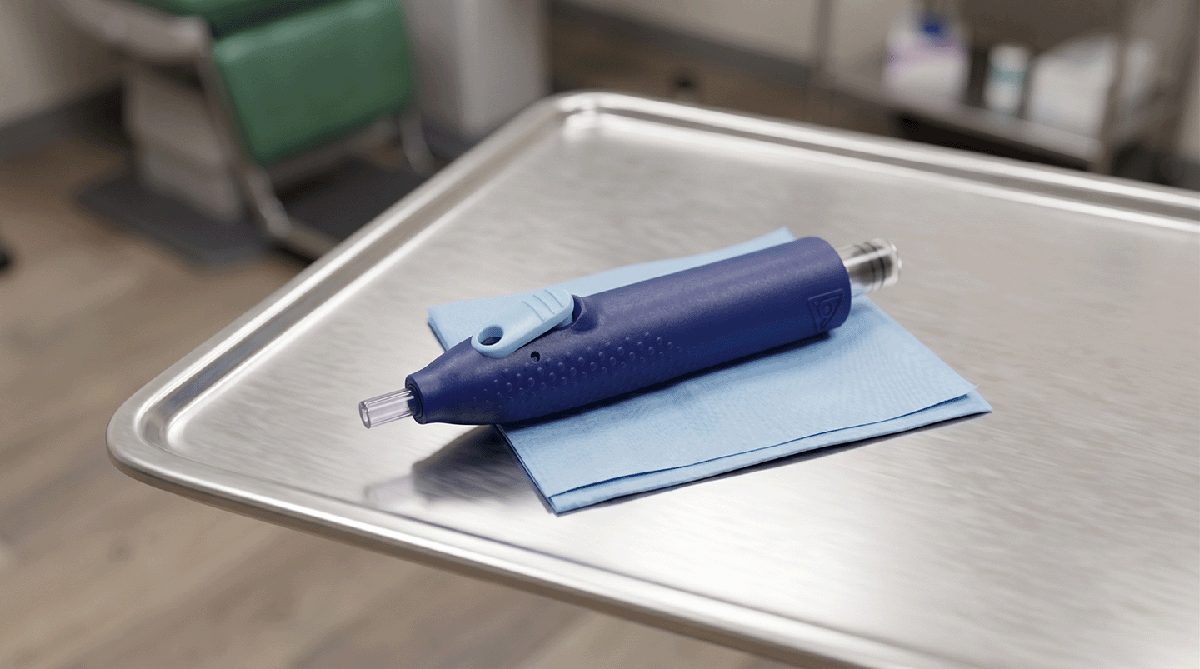
Every element was engineered to reduce friction and improve outcomes. OcuTap’s architecture reflects what clinicians need in the moment.
Attach the needle, prime the collection tube, and sampling begins with the press of a button.
A controlled, pre-set draw designed to free both hands for stabilization.
Vial detaches after sampling and is designed to ship directly to the lab, without a manual transfer step.
32G ½″ needle compatibility. No new inventory. Integrates into existing workflow.
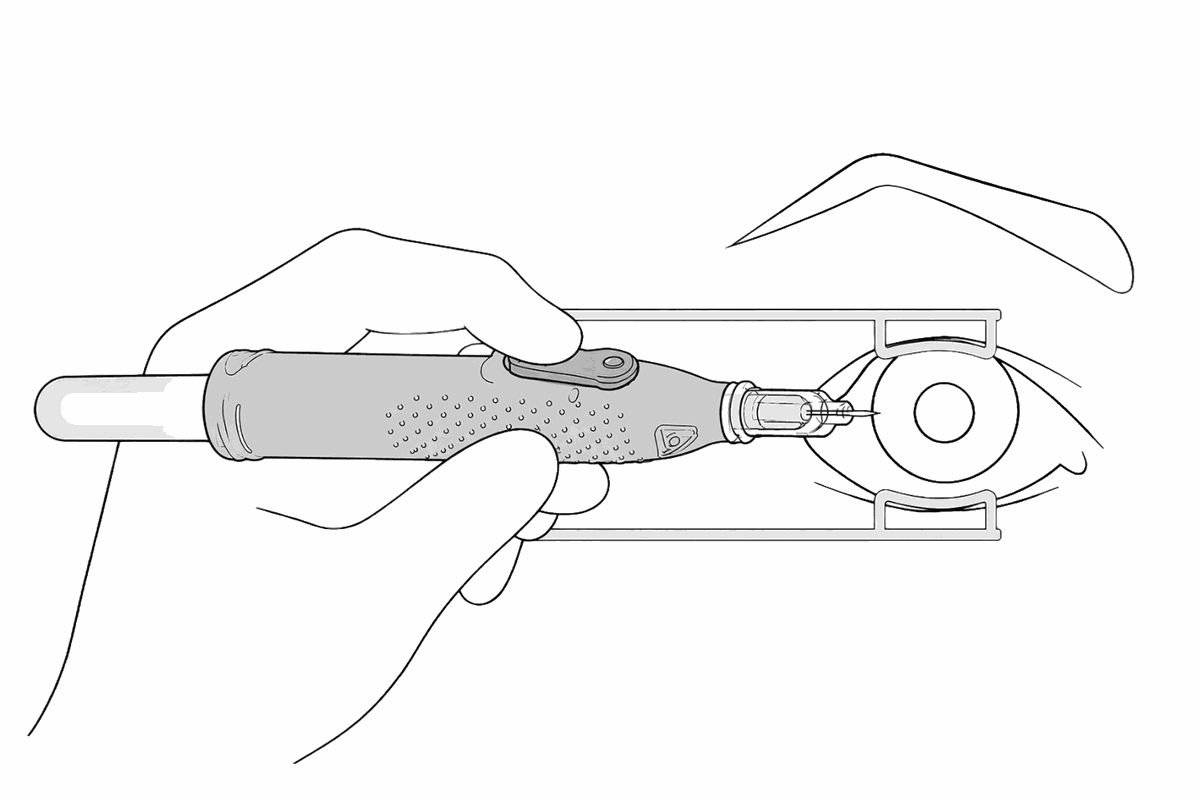
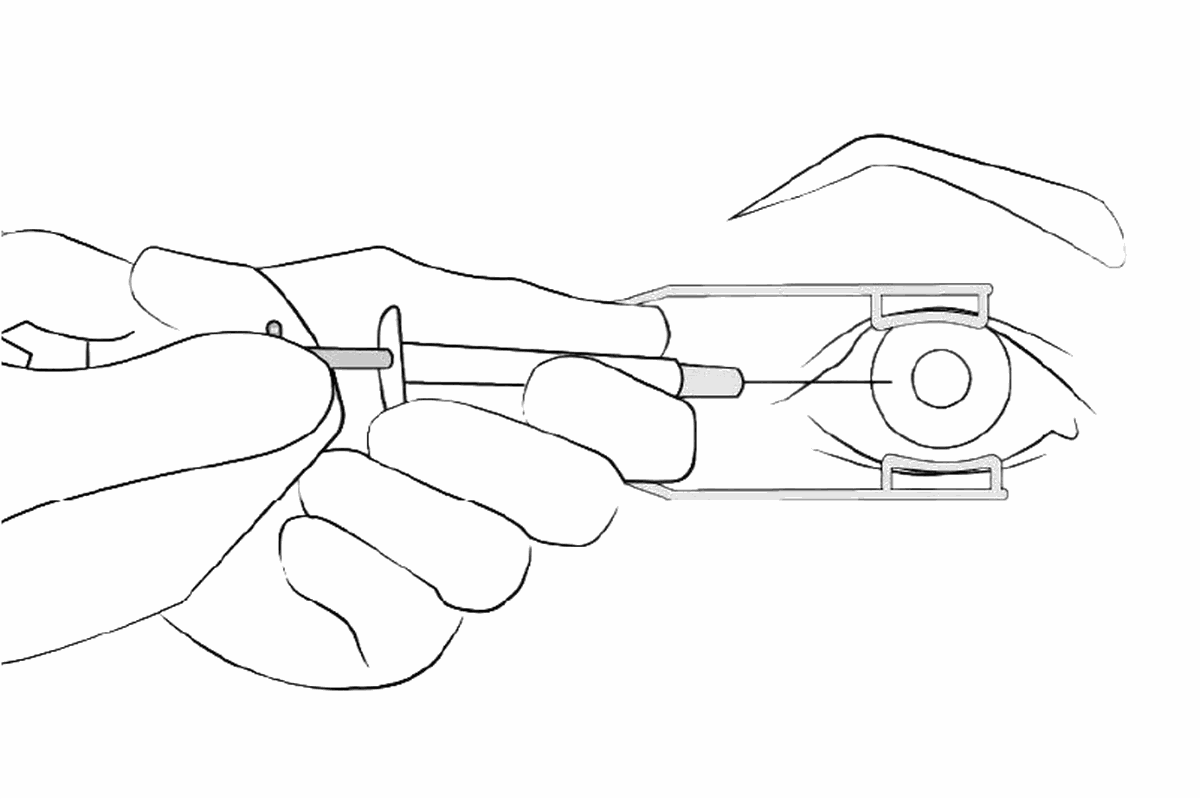
A high-level overview of the OcuTap procedure. For complete, step-by-step guidance, watch the full procedure video or download the official IFU.
The following protocol outlines the intended engineering functionality of the OcuTap device. These instructions are provided for informational and investigational purposes only, pending official regulatory clearance.
Assembled in the USA
OcuTap is built to fit your current practice workflow. Anterior chamber paracentesis already has a Current Procedural Terminology (CPT) code (65800), and adopting OcuTap is intended to require no new protocols for staff to learn. Availability follows FDA 510(k) clearance, anticipated by the end of 2026.
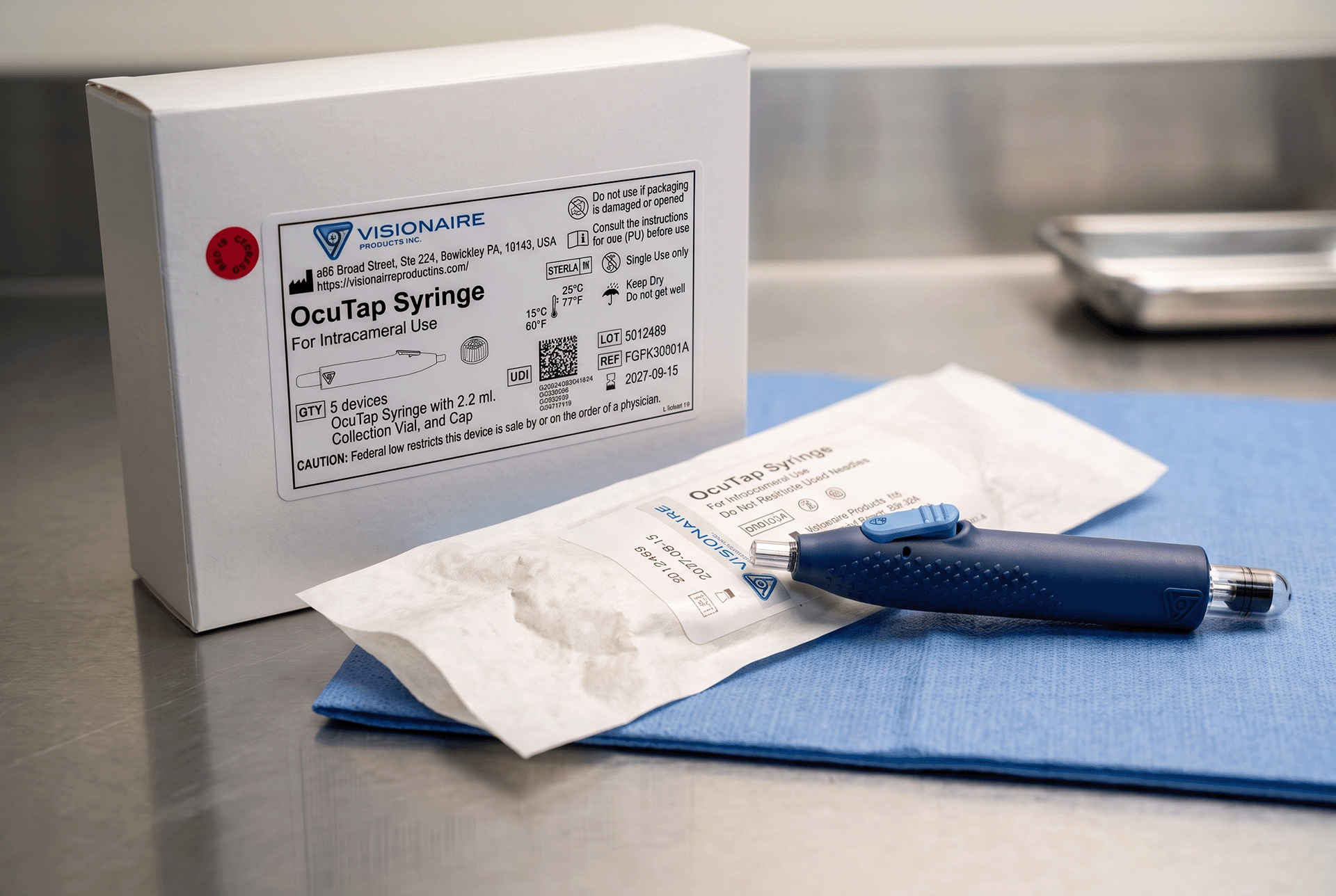
Not yet. OcuTap is an investigational device pursuing FDA 510(k) clearance, anticipated by the end of 2026. Ahead of clearance, it is available to qualified investigators under the applicable FDA pathway. Get updates to be notified when it’s available.
OcuTap collects aqueous humor from the anterior chamber of the eye — an anterior chamber paracentesis. The anticipated indication is limited to the anterior chamber; it does not cover vitreous sampling.
OcuTap is being submitted as an ophthalmic syringe — 21 CFR (Code of Federal Regulations) 880.5570, Class II, product code QYL — via the 510(k) pathway. Clearance is anticipated by the end of 2026.
Stay informed on OcuTap milestones and industry developments.
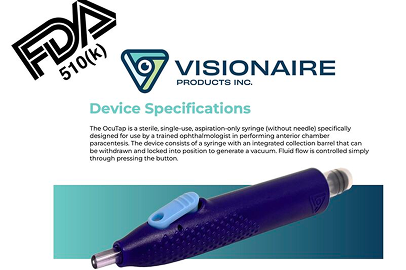
510(k) application submitted — an exciting milestone for OcuTap. This product answers current demand from users, and will set a new standard in anterior chamber paracentesis starting with adoption through clinical trials this year.

Leanne Labriola, founder and CEO of Visionaire Products, presented updates on OcuTap — a device for anterior chamber paracentesis that can usher in the frontier of molecular biomarker use in ophthalmology.

Uveitis specialists recommend anterior chamber paracentesis to properly diagnose anterior inflammation.
OcuTap is pending FDA clearance, anticipated by the end of 2026. Sign up to get updates and we’ll email you when there’s meaningful news to share.